What Is the Most Effective Rodent Control? Proven Methods That Really Work
July 1, 2026
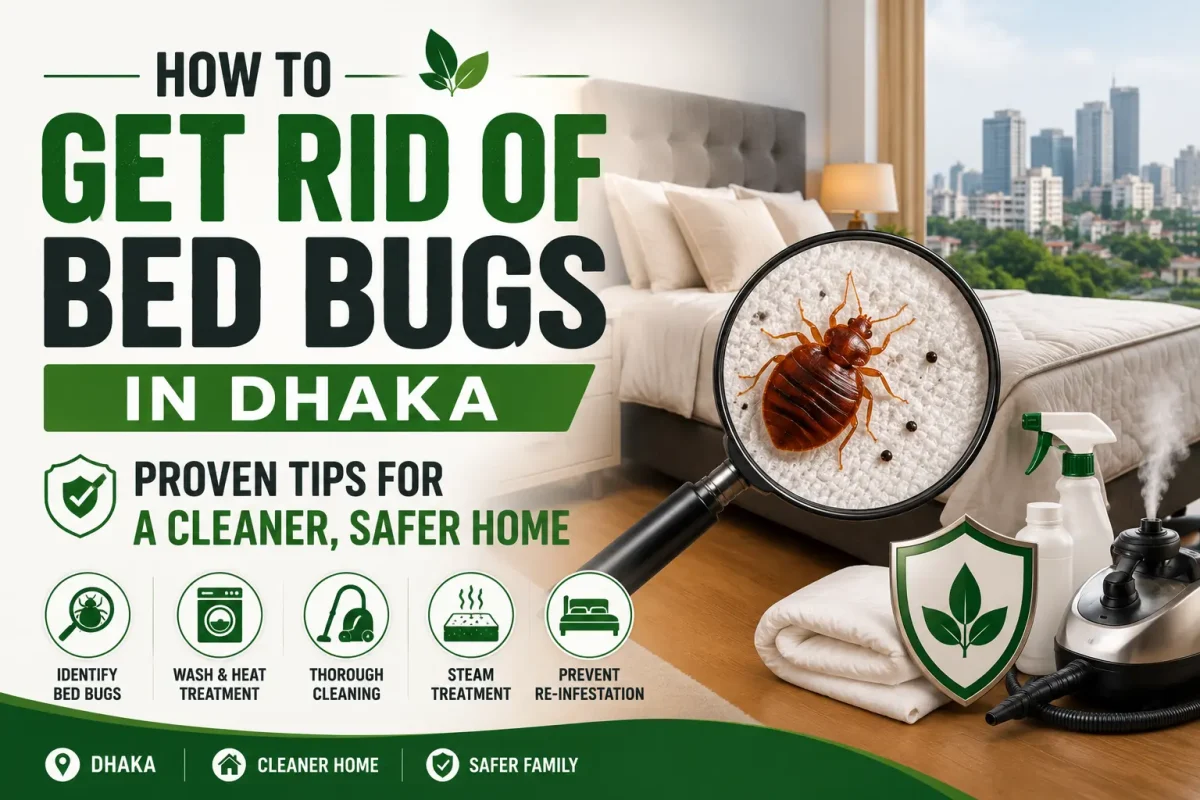
Bed bugs are one of the most stressful household pests because they disturb sleep, hide in small cracks, and spread quietly from one room to another. If you are searching for how to get rid of bed bugs in Dhaka, the main answer is simple: confirm the infestation early, clean and prepare the affected areas, treat hiding places properly, and use professional bed bug control when the problem is active or spreading.
In Dhaka, bed bugs can become a serious issue in flats, family homes, hostels, hotels, offices, and shared rooms. Dense living areas, frequent movement, second-hand furniture, and travel can all increase the chance of bed bugs entering a property. Once they settle near beds, sofas, wardrobes, or wooden furniture, they can be difficult to remove with ordinary cleaning alone.
A local pest control team such as Eco Shield Pest Bd can help when the infestation is already visible, recurring, or affecting multiple rooms. Still, homeowners should understand the signs, risks, preparation steps, and prevention methods before choosing a treatment plan.
This guide explains bed bugs in Dhaka, how to identify them, what to do first, when DIY steps may help, when professional treatment is needed, and how to reduce the chance of future infestation.
Why Bed Bugs Are a Serious Problem in Dhaka Homes
Bed bugs are not only a hygiene issue. Clean homes can also get bed bugs because these pests travel through bags, clothes, furniture, mattresses, and shared spaces. They do not need dirty surroundings to survive. They need hiding places and access to people while they sleep.
In a busy city like Dhaka, people often move between apartments, hostels, offices, markets, buses, hotels, and homes. This movement creates chances for bed bugs to travel from one place to another. A single affected mattress, sofa, or travel bag can bring bed bugs into a bedroom.
How Bed Bugs Enter Homes, Flats, Hostels, and Offices
Bed bugs usually enter through carried items. Common sources include used furniture, old mattresses, luggage after travel, clothing bags, school or office bags, and visitors’ belongings. They may also move between nearby units in some buildings if cracks, shared walls, or service lines allow movement.
In hostels and shared housing, bed bugs can spread faster because many people use the same sleeping spaces or store items close together. In offices, they may hide in sofa sets, waiting chairs, staff rest areas, storage rooms, or personal bags.
Why Bed Bugs Spread Quickly in Busy Urban Areas
Dhaka has many apartment buildings, shared rooms, furniture markets, and high-movement living patterns. These conditions can make bed bug control harder when people delay inspection. Bed bugs hide during the day and become more active at night, so many people notice bites before they find the insects.
Another problem is incomplete treatment. If only the mattress is sprayed but the bed frame, wall cracks, furniture joints, and nearby items are ignored, the infestation can return. This is why bed bug treatment in Dhaka should be planned carefully rather than handled with random spray use.
Why Early Treatment Matters
Early action reduces cost, stress, and spread. A small bed bug problem may be limited to one bed or sofa. A delayed problem can spread to multiple rooms, wardrobes, curtains, and furniture. Once eggs and hidden bugs develop in different areas, treatment usually becomes more complex.
The best time to act is when you see the first signs: bites after sleeping, blood spots on sheets, dark marks on mattress seams, shed skins, or live insects near the bed.
What Are Bed Bugs?
Bed bugs are small, flat insects that feed on blood, usually while people are resting or sleeping. Adult bed bugs are often brownish and oval-shaped. Younger bed bugs can be smaller and lighter in color, which makes them harder to notice.
They are not like mosquitoes because they do not fly. They crawl and hide in tight spaces close to where people sleep or sit for long periods. Their flat bodies help them enter narrow cracks in furniture, mattresses, bed frames, and walls.
Basic Bed Bug Identification
A bed bug is usually small, flat, and oval. After feeding, its body may look larger and darker. Bed bug eggs are tiny and pale, often hidden in protected areas. Shed skins may look like light, dry shells.
Many people confuse bed bugs with fleas, ticks, small
, or other insects. Correct identification matters because different pests need different control methods. If the pest is misidentified, treatment may fail.
Where Bed Bugs Usually Hide
Bed bugs prefer areas close to sleeping or resting humans. Their hiding spots are often dark, narrow, and undisturbed.
Mattress Seams and Bed Frames
Mattress seams, labels, corners, and folds are common hiding places. Bed frames, headboards, screws, joints, and wooden cracks are also high-risk areas. If the bed has storage drawers, those spaces should be inspected carefully.
Sofa Cracks and Wooden Furniture
Sofas are another common location, especially if people nap there or sit for long hours. Bed bugs may hide in cushion seams, frame joints, fabric folds, and wooden gaps. Wooden furniture can also provide deep hiding points.
Curtains, Bags, and Clothing
When an infestation grows, bed bugs may spread to curtains, bags, clothes, wardrobes, and nearby shelves. They may not live inside every fabric item, but they can hide in folded, undisturbed materials.
Why Hiding Places Make Treatment Difficult
Bed bugs are difficult to remove because visible insects are only part of the problem. Eggs, young bugs, and adults can stay hidden in cracks. A treatment that only targets open surfaces may not reach the source. This is why careful inspection and targeted treatment are important.
Clear Signs of Bed Bugs in Your Home
Finding bed bugs early is the key to control. Many people first notice bite marks, but bites alone are not enough to confirm bed bugs because skin reactions can vary. A proper inspection should look for multiple signs.
Itchy Bite Marks After Sleeping
Bed bug bites often appear after sleeping. Some people get itchy red marks, while others may show little or no reaction. Bites may appear on exposed skin such as arms, legs, neck, or face. However, bite patterns are not always reliable proof.
Small Blood Marks on Bedsheets
Tiny blood spots on bedsheets, pillow covers, or mattress fabric can be a warning sign. These spots may appear when a bed bug is crushed after feeding or when bites leave small marks.
Dark Spots on Mattress Corners
Dark or blackish spots on mattress seams, wooden joints, or bed corners may be bed bug droppings. These marks are often found near hiding areas. A flashlight can help inspect corners and seams more clearly.
Eggs, Shed Skins, and Musty Smell
Bed bug eggs are tiny and hard to see, but they may be found in protected cracks. Shed skins can collect near hiding places. In heavier infestations, some people notice a musty smell in the room.
Seeing Live Bed Bugs at Night
Bed bugs are more active at night, but they can appear during the day in heavy infestations. Checking the bed area with a flashlight late at night may reveal crawling insects near mattress edges, headboards, or wall joints.
How to Get Rid of Bed Bugs in Dhaka Step by Step
Getting rid of bed bugs requires a complete approach. One spray, one cleaning session, or one mattress cover is usually not enough when the infestation is active. The goal is to reduce hiding places, remove visible bugs, treat affected areas, and prevent re-infestation.
Step 1: Confirm the Infestation
Before treatment, confirm that the pest is actually a bed bug. Look around the mattress seams, bed frame, headboard, sofa seams, and nearby furniture. Use a flashlight and check slowly.
If you find insects, take a clear photo or collect a sample in a sealed container for identification by a pest control expert. This prevents wrong treatment and wasted money.
Step 2: Reduce Clutter Around the Sleeping Area
Clutter gives bed bugs more places to hide. Remove unnecessary items from under the bed, around the mattress, near the sofa, and beside wardrobes. Do not move items from an infested room to a clean room without sealing them first, because this may spread the bugs.
Place washable fabrics into sealed bags before moving them to the washing area. Keep clean and untreated items separate.
Step 3: Wash and Heat-Dry Washable Fabrics
Bedsheets, pillow covers, blankets, curtains, and clothing from the affected area should be washed and dried properly where fabric care instructions allow. Heat is useful against bed bugs when applied correctly, but delicate fabrics need careful handling.
After cleaning, keep washed items in sealed bags or closed containers until the room is treated. This prevents clean fabrics from becoming infested again.
Step 4: Vacuum Carefully
Vacuuming can remove visible bugs, eggs, shed skins, and dust from mattress seams, bed frames, floor edges, and furniture cracks. Use a narrow attachment for corners and joints.
After vacuuming, empty the vacuum contents safely into a sealed bag and remove it from the living area. Vacuuming alone will not solve a full infestation, but it is a helpful preparation step.
Step 5: Isolate the Bed
Move the bed slightly away from the wall if possible. Keep bedding from touching the floor. Avoid storing clothes, bags, or boxes under the bed during treatment.
This step does not kill bed bugs, but it helps reduce movement and makes inspection easier. It also helps you notice whether activity continues after treatment.
Step 6: Treat Hiding Places Properly
The most important part of bed bug removal is treating the hiding places, not just open surfaces. Mattress seams, bed joints, headboards, wall cracks, sofa folds, and furniture gaps need attention.
Random spraying is risky and often ineffective. Bed bugs can move deeper into cracks or spread to other areas. A safe treatment plan should be targeted, controlled, and based on the level of infestation.
Step 7: Monitor the Room After Treatment
Bed bug control often needs monitoring. Check bedsheets, mattress corners, and furniture joints after treatment. If signs continue, a follow-up inspection may be needed.
Do not assume the problem is solved only because bites reduce for a few days. Hidden eggs or surviving bugs can cause activity again. Consistent inspection helps confirm whether the treatment worked.
Why DIY Bed Bug Control Often Fails
DIY bed bug control can help in very early cases, but it often fails when the infestation is established. Bed bugs are not easy surface pests. They hide deeply, reproduce quietly, and may survive weak or incomplete treatment.
Bed Bugs Hide Deep Inside Cracks
Most people treat only the mattress surface. Bed bugs may be inside the bed frame, behind the headboard, under furniture, inside sofa joints, or near wall cracks. If these areas are missed, the infestation returns.
Eggs May Survive Weak Treatment
Bed bug eggs are small and protected. Some methods may kill visible insects but fail to affect hidden eggs. After the eggs hatch, people may think the bed bugs “came back,” when actually they were never fully removed.
Random Sprays Can Push Bed Bugs Into New Rooms
Unplanned spraying may disturb bed bugs and cause them to spread into nearby rooms. This makes the infestation harder to manage. It can also increase chemical exposure inside the home.
Wrong Pesticide Use Can Create Safety Risks
Using too much pesticide, mixing chemicals, spraying bedding incorrectly, or using products not meant for indoor bed bug treatment can be unsafe. A safer approach is to reduce clutter, clean washable items, use careful inspection, and get professional treatment when needed.
Professional Bed Bug Treatment in Dhaka
Professional bed bug treatment is useful when bed bugs are visible, bites continue, the infestation has spread, or earlier DIY attempts failed. A trained technician can inspect hidden areas and apply a planned treatment instead of guessing.
What Professionals Inspect First
A proper inspection usually includes the mattress, bed frame, headboard, bedside furniture, sofa, curtains, wall cracks, wardrobes, luggage areas, and floor edges. The technician may ask where bites occur, when signs started, and whether any new furniture or travel happened recently.
This information helps identify the source and decide how many rooms need treatment.
Common Treatment Methods Used for Bed Bugs
Different infestations need different treatment methods. The right plan depends on the property, infestation level, furniture type, safety needs, and room condition.
Targeted Residual Treatment
Targeted residual treatment may be used in cracks, corners, and furniture joints where bed bugs hide. It should be applied carefully and according to safety directions. This is different from spraying everywhere without a plan.
Steam or Heat-Supportive Methods
Steam or heat-supportive methods may help in selected areas such as mattress seams, sofa folds, and fabric edges when performed correctly. Heat must reach the hiding area to be useful.
Crack-and-Crevice Treatment
Bed bugs often hide in narrow spaces, so crack-and-crevice treatment is important. This targets bed frames, furniture joints, wall gaps, and other protected areas.
Follow-Up Inspection
Follow-up inspection is often needed because hidden eggs or missed areas can keep the problem active. A good service should explain what to monitor after treatment and when to request follow-up.
When to Call a Bed Bug Control Expert
Call a professional if you see live bed bugs, wake up with repeated bites, find dark spots on mattress seams, notice bugs in multiple rooms, or already tried DIY sprays without success. Professional bed bug treatment is also recommended for hostels, rental flats, hotels, offices, and shared living spaces because the infestation can spread quickly.
Bed Bugs in Dhaka Apartments, Hostels, and Family Homes
Different property types need different bed bug control strategies. A single-room hostel problem is not the same as a three-bedroom apartment infestation. The treatment plan should match how the space is used.
Bed Bugs in Apartments
Apartments can be challenging because people often share walls, stairways, lifts, and service lines. If one unit has a severe infestation, nearby spaces may need inspection. Residents should avoid moving infested furniture through common areas without wrapping or sealing it.
Bed Bugs in Hostels and Shared Rooms
Hostels need fast action because beds are close together and people move belongings frequently. Mattresses, lockers, curtains, and luggage areas should be checked. A single untreated bed can affect the entire room.
Bed Bugs in Family Bedrooms
In family homes, bed bugs usually start in one bedroom and spread when people move blankets, pillows, or clothes to another room. Treating only one item is not enough. Nearby furniture and connected spaces should be inspected.
Bed Bugs in Offices and Waiting Rooms
Offices may not seem like bed bug areas, but sofas, waiting chairs, staff rest spaces, and stored bags can become hiding points. If employees or visitors report bites after sitting in the same area, inspection is needed.
Safety Tips Before and After Bed Bug Treatment
Safety is important during bed bug control. The goal is not only to remove pests but also to protect people, pets, and indoor air quality.
What to Do Before Treatment
Before professional treatment, remove clutter, wash washable fabrics, keep personal items organized, and follow preparation instructions from the service provider. Move small items carefully in sealed bags. Do not spread infested materials to other rooms.
Open access to bed frames, sofas, wall edges, and furniture joints so the technician can inspect properly.
What to Avoid During Treatment
Do not apply pesticides to your skin. Do not spray bedding randomly. Do not mix chemicals. Do not use outdoor chemicals indoors. Do not overuse sprays because more chemical does not mean better control.
Also avoid throwing infested furniture into public areas without sealing or marking it. Someone else may take it and spread the problem.
What to Do After Treatment
After treatment, follow the re-entry time and cleaning instructions given by the service provider. Keep cleaned fabrics sealed until the area is ready. Continue monitoring mattress seams and nearby furniture for signs of activity.
Avoid deep cleaning treated cracks immediately unless instructed, because it may reduce treatment effectiveness.
Safety Warning for Children, Pets, and Sensitive People
Children, pets, pregnant people, elderly people, and people with breathing sensitivity may need extra precautions during pest treatment. Inform the pest control team before treatment so the plan can be adjusted safely.
How to Prevent Bed Bugs from Coming Back
Prevention is easier than full removal. Once your home is treated, small habits can reduce the chance of another infestation.
Inspect Second-Hand Furniture
Second-hand beds, sofas, mattresses, and wooden furniture should be checked carefully before entering the home. Look at seams, joints, cracks, and hidden corners. Avoid bringing unknown mattresses into your bedroom without inspection.
Be Careful After Travel
After staying in hotels, hostels, or guest houses, inspect luggage before placing it near the bed. Wash travel clothes where possible. Keep bags away from sleeping areas until checked.
Keep Beds and Sofas Easy to Inspect
A clean, organized sleeping area helps early detection. Avoid storing too many items under the bed. Keep bed edges, mattress seams, and sofa folds accessible.
Use Mattress Protection Where Useful
A mattress encasement may help reduce hiding places and make inspection easier. It does not replace treatment, but it can support prevention and monitoring.
Schedule Inspection When Signs Return
If you notice new bites, spots, or insects after treatment, do not wait too long. Early inspection can stop a small issue before it becomes a full infestation again.
Cost Factors for Bed Bug Control in Dhaka
The cost of bed bug control in Dhaka can vary because every property is different. It is better to understand price factors instead of trusting fixed prices without inspection.
Size of the Affected Area
A single bed area usually costs less than a full apartment treatment. Larger spaces need more time, inspection, labor, and materials.
Level of Infestation
A light infestation may require fewer steps. A severe infestation with multiple hiding places may need more detailed treatment and follow-up.
Type of Property
Homes, hostels, hotels, offices, and furnished flats have different risk levels. Shared spaces often need wider inspection because bed bugs can spread through belongings and furniture.
Number of Visits Needed
Some infestations need more than one visit. Follow-up treatment may be necessary if eggs hatch or if activity continues.
Treatment Method Required
The method used can affect the cost. Targeted chemical treatment, steam-supportive work, crack treatment, and follow-up inspection all require different levels of time and skill.
Choosing the Right Bed Bug Control Service in Dhaka
Choosing the right service matters because bed bug control is not just spraying. A good provider should inspect, explain, treat safely, and guide you after treatment.
Experience With Bed Bug Infestation
Choose a team that understands bed bug behavior. They should know where bed bugs hide, how they spread, and why follow-up is sometimes needed.
Clear Inspection Process
A professional service should inspect before recommending treatment. If someone promises instant removal without asking about room size, infestation level, or affected areas, be careful.
Safe Treatment Approach
Ask about safety instructions, preparation steps, re-entry time, and precautions for children and pets. Safe pest control should never feel careless or rushed.
Follow-Up Support
Bed bug treatment may need monitoring. A reliable provider should explain what signs to check after treatment and when to contact them again.
Honest Guidance Instead of Quick Promises
Avoid services that promise unrealistic results without inspection. Bed bugs are difficult pests, and proper control depends on preparation, treatment quality, and follow-up.
Final Advice on Bed Bug Removal in Dhaka
The best way to remove bed bugs is to act early, inspect carefully, clean affected fabrics, avoid unsafe chemical use, and treat hiding places properly. Bed bugs can be stressful, but they can be controlled with the right plan.
If the problem is small, careful cleaning and monitoring may help. If you see live bugs, repeated bites, dark spots, or spreading activity, professional help is the safer choice. For reliable inspection and bed bug treatment in Dhaka, Eco Shield Pest Bd can support homeowners, tenants, hostels, and businesses with a planned approach.
A clean home does not guarantee bed bug prevention, and having bed bugs does not mean your home is dirty. What matters most is quick action, correct identification, safe treatment, and prevention after control.
FAQs About Bed Bugs in Dhaka
1. How do I know if I have bed bugs in my Dhaka home?
You may have bed bugs if you notice itchy bites after sleeping, small blood stains on bedsheets, dark spots on mattress seams, shed skins, eggs, or live insects around the bed. Check mattress corners, bed frames, headboards, sofas, and nearby furniture with a flashlight.
2. What is the fastest way to get rid of bed bugs?
The fastest safe approach is to confirm the infestation, reduce clutter, wash and dry affected fabrics, vacuum visible areas, isolate the bed, and arrange targeted treatment. Severe infestations usually need professional bed bug control.
3. Can I remove bed bugs myself?
You may reduce a very small infestation with careful cleaning, heat-based fabric care, vacuuming, and monitoring. However, DIY control often fails when bed bugs hide in cracks, furniture joints, or multiple rooms.
4. Are bed bugs common in Dhaka?
Bed bugs can appear in Dhaka homes, hostels, flats, hotels, offices, and shared rooms. They spread through luggage, furniture, clothing, bags, and movement between places.
5. Do bed bugs mean my home is dirty?
No. Bed bugs can infest clean or dirty homes. They are attracted to hiding places and access to sleeping people, not dirt.
6. Where do bed bugs hide the most?
They commonly hide in mattress seams, bed frames, headboards, sofa folds, furniture cracks, curtain folds, bags, and wall gaps near sleeping areas.
7. Can bed bugs live inside a mattress?
Yes, bed bugs can hide in mattress seams, folds, labels, and edges. They may also hide in the bed frame and nearby furniture, so treating only the mattress may not solve the problem.
8. Is bed bug spray enough?
Spray alone is usually not enough. Bed bugs hide in deep cracks, and eggs may survive weak or incomplete treatment. A complete plan should include inspection, cleaning, targeted treatment, and follow-up monitoring.
9. How long does bed bug treatment take?
Treatment time depends on room size, infestation level, furniture condition, and method used. Some cases may need follow-up inspection or additional treatment.
10. How can I stop bed bugs from returning?
Inspect second-hand furniture, check luggage after travel, keep sleeping areas organized, avoid moving infested items without sealing them, and monitor mattress seams regularly after treatment.