
Natural Pest Control Methods That Really Work: Safe Organic Solutions for Home and Garden
July 1, 2026
How to Get Rid of Bed Bugs in Dhaka: Proven Tips for a Cleaner, Safer Home
July 1, 2026
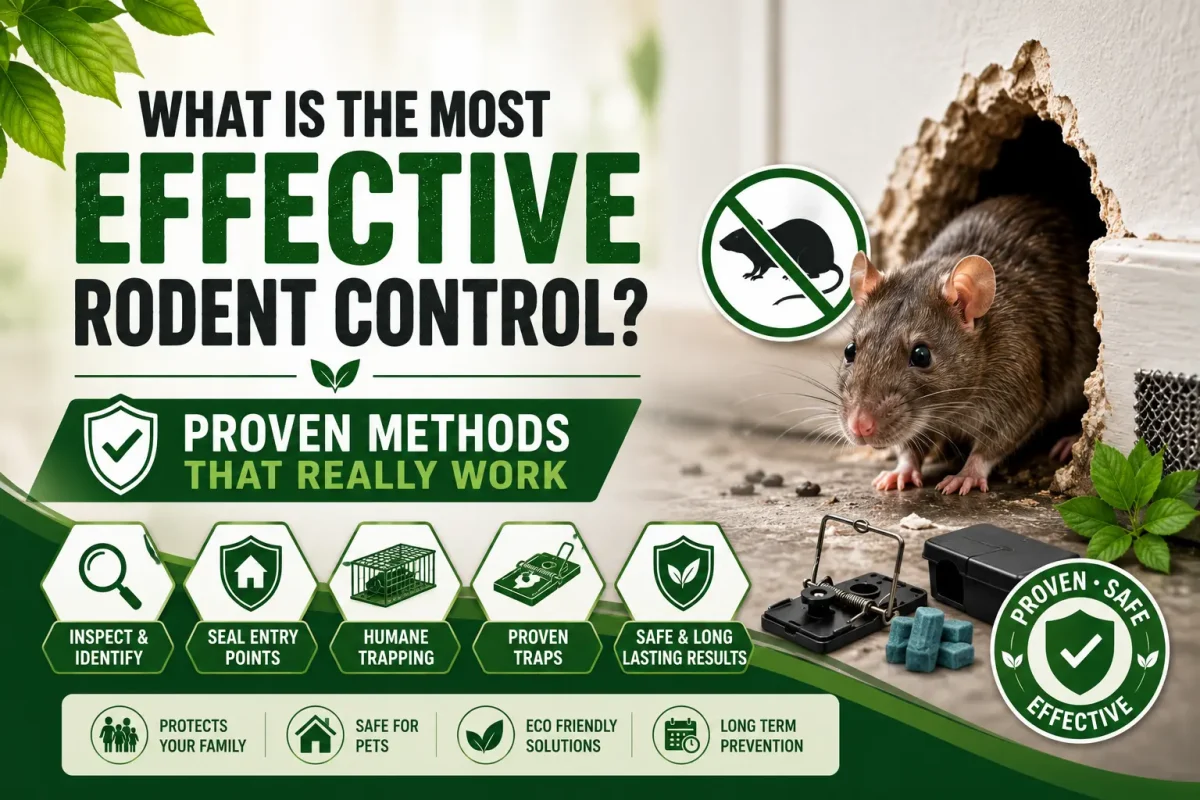
The most effective rodent control is not one single method. It is a complete system that combines inspection, entry-point sealing, sanitation, safe control methods, monitoring, and long-term prevention. If you only remove a few rats or mice but leave holes, food sources, drains, storage gaps, and hiding places untreated, the problem can return quickly.
Rats and mice are smart, cautious, and persistent. They can enter through small gaps, hide inside ceilings or storage spaces, contaminate food, damage wiring, and create hygiene risks. That is why effective rodent control should focus on the root cause, not only the visible rodent.
For homes, restaurants, offices, warehouses, shops, and food businesses, the strongest rodent control plan follows one clear rule: remove what attracts rodents, block how they enter, control the current activity, and monitor the property so they do not come back.
If rodents are damaging food, wiring, storage areas, or business reputation, Eco Shield Pest Bd can help with professional rodent inspection and control support for safer, cleaner spaces.
This guide explains the most effective rodent control methods, why random poison use is not a complete solution, how professionals handle rodent infestations, and what you can do to protect your property for the long term.
Quick Answer: What Is the Most Effective Rodent Control?
The most effective rodent control is an integrated approach. It includes:
- Detailed inspection
- Correct identification of rats or mice
- Sealing holes and entry points
- Removing food and water sources
- Reducing clutter and hiding places
- Using safe control methods
- Cleaning contaminated areas properly
- Monitoring activity after treatment
- Preventing future entry
This method works better than relying on only poison, only traps, or only cleaning. Rodents survive because they find three things: food, shelter, and access. If your control plan does not remove all three, the infestation can continue.
Why One Method Alone Is Not Enough
Many people think rodent control means placing bait or traps. That may reduce visible activity, but it does not always solve the main problem. Rodents may still enter through wall gaps, drain openings, roof spaces, broken doors, or storage areas.
A trap may catch one mouse, but five more may enter through the same hole. A poison may reduce activity, but it does not close the entry point. Cleaning may remove droppings, but it does not stop rodents from returning at night.
That is why the best rodent pest control plan must combine several actions.
The Complete Rodent Control System
A complete system looks at the full property, not only the place where the rodent was seen.
Inspect
Inspection finds droppings, grease marks, nests, gnawing damage, food contamination, entry points, and travel routes. Without inspection, treatment becomes guesswork.
Seal
Sealing is one of the most important steps. Rodents enter through gaps around doors, pipes, vents, drains, roofs, walls, and utility lines. If these openings remain, the infestation can return.
Remove Food Sources
Rodents are attracted to exposed food, open bins, pet food, spilled grains, restaurant waste, and poorly stored products. Good sanitation makes the property less attractive.
Control Activity
Control methods may include trapping, monitoring, bait stations, exclusion tools, and professional treatment depending on the infestation level. Safety should always guide the method.
Monitor and Prevent
Monitoring confirms whether rodent activity is reducing. Prevention keeps the property protected after the first treatment.
Why Prevention Decides Long-Term Success
Rodent control is only successful when the property becomes harder for rodents to enter and less attractive for them to stay. Long-term prevention is what separates temporary relief from real control.
Why Rodent Control Matters for Homes and Businesses
Rodents are more than an inconvenience. They can create property damage, food waste, hygiene problems, and business risks. A small infestation can grow quickly if it is ignored.
Property Damage Caused by Rodents
Rats and mice gnaw constantly. They may damage food packets, plastic containers, wooden furniture, insulation, door edges, and electrical wiring. Damaged wires can become a serious property risk, especially in offices, warehouses, restaurants, and homes with hidden ceiling spaces.
Food Contamination Risks
Rodents move through drains, garbage areas, kitchens, storage rooms, and outdoor spaces. When they reach food storage areas, they can contaminate surfaces and packaging. Food businesses need special attention because contamination can affect customers, staff, and brand reputation.
Health and Hygiene Concerns
Rodents can leave droppings, urine, hair, and nesting materials in hidden places. These signs should be handled carefully, especially in kitchens, pantries, storerooms, and children’s areas. Cleaning must be done safely instead of dry sweeping contaminated materials.
Business Reputation and Compliance Issues
For restaurants, hotels, grocery stores, factories, warehouses, and offices, rodent activity can damage customer trust. Even one rodent sighting can create complaints, bad reviews, staff concerns, and inspection problems. Commercial rodent control needs prevention, documentation, and regular monitoring.
Common Signs of a Rodent Infestation
Rodents often stay hidden during the day, so early signs are important. If you notice more than one sign, inspection should happen quickly.
Droppings and Urine Marks
Droppings are one of the most common signs. They may appear behind appliances, inside cabinets, near food storage, along walls, in ceiling spaces, or near entry points. Urine marks may leave stains or a strong smell.
Scratching Sounds at Night
Rats and mice are often more active at night. Scratching, running, or gnawing sounds from ceilings, walls, kitchens, or storage spaces can signal activity.
Gnaw Marks on Food Packs, Wires, and Furniture
Rodents chew to access food and maintain their teeth. Look for bite marks on food packets, sacks, containers, wiring, wood, cardboard, and plastic.
Grease Marks Along Walls
Rodents often move along walls and edges. Over time, their fur may leave dark grease marks on common travel paths.
Nests and Shredded Materials
Rats and mice may use paper, cloth, insulation, plastic, cardboard, and other soft materials to create nests. Nests are often hidden in quiet spaces.
Seeing Live or Dead Rodents
Seeing a rodent during the day may suggest the infestation is active or crowded. Dead rodents can also indicate hidden activity and should be handled safely.
Most Effective Rodent Control Methods Compared
A strong rodent control plan uses the right method at the right time. Each method has a role, but no single method should be trusted alone.
Inspection and Identification
Inspection comes first because rats and mice behave differently. Mice can enter smaller gaps and often stay closer to indoor food sources. Rats may use drains, outdoor spaces, roof areas, and larger entry points.
Correct identification helps decide where to inspect, how to seal, and what monitoring method is suitable.
Sealing Entry Points
Sealing is one of the most powerful rodent prevention methods. Entry points may be found around:
- Doors
- Pipe openings
- Drain gaps
- Broken vents
- Wall cracks
- Roof edges
- Storage-room openings
- Utility lines
- Garage or shutter gaps
If rodents cannot enter, the infestation becomes easier to control.
Sanitation and Food-Source Control
Rodents stay where food is easy to access. Sanitation does not mean the property is dirty. Even small crumbs, uncovered bins, pet food, grain storage, or leaking water can attract rodents.
Good sanitation includes closed food containers, covered waste bins, regular cleaning behind appliances, and proper storage.
Trapping and Monitoring
Trapping can help reduce rodent activity and confirm movement routes. Monitoring helps identify whether the treatment is working. In homes, traps and control devices must be placed safely away from children and pets.
Professional Rodent Control Treatment
Professional treatment is useful when activity is repeated, entry points are unclear, contamination is present, or the property is commercial. A professional plan should include inspection, control, exclusion advice, safety guidance, and follow-up.
Long-Term Prevention
Prevention is the final and most important stage. If you remove rodents but leave open entry points and food sources, new rodents can enter later. Long-term control depends on maintenance.
Why Random Poison Use Is Not the Best Rodent Control Plan
Poison may seem like an easy answer, but random use is not the best rodent control strategy. It can create safety risks and may not solve the cause of the infestation.
Safety Risks for Children, Pets, and Non-Target Animals
Rodenticides can be dangerous if used incorrectly. They should never be placed carelessly in open areas, near food, or where children or pets can reach them. Any chemical control method should follow safety rules and be handled responsibly.
Rodents May Die in Hidden Areas
When rodents die inside walls, ceilings, cabinets, or storage spaces, they can create odor and sanitation issues. This is one reason control methods must be planned carefully.
Poison Does Not Solve Entry-Point Problems
Even if poison reduces current rodent activity, new rodents can enter if gaps remain open. Sealing and prevention are still necessary.
Why Baiting Should Be Handled Carefully
Baiting may be part of some professional rodent control plans, especially in commercial or persistent infestations. However, it should be used carefully, safely, and only where appropriate. For many homes, inspection, sealing, sanitation, and safer control methods may be better first steps.
Effective Rodent Control for Homes
Home rodent control should focus on safety, prevention, and complete inspection. Families often notice rodents in kitchens, ceilings, storage corners, or outdoor areas.
Kitchens and Food Storage Areas
Kitchens attract rodents because of food, water, warmth, and hidden spaces. Check behind refrigerators, ovens, cabinets, sinks, and food shelves. Store rice, grains, snacks, and pet food in sealed containers.
Bedrooms and Ceiling Spaces
Rodents may enter ceiling spaces and wall gaps before appearing in rooms. Scratching sounds above bedrooms at night can be an early sign.
Gardens, Drains, and Outdoor Areas
Outdoor spaces can support rodent activity if there is garbage, standing water, drain access, pet food, or overgrown vegetation. Keep outdoor areas clean and inspect drain covers.
Family Safety and Prevention Tips
Avoid touching rodent droppings or nesting materials with bare hands. Keep children and pets away from contaminated areas. Clean safely and call a professional if contamination is heavy.
Effective Rodent Control for Restaurants and Food Businesses
Restaurants and food businesses need strong rodent control because food, waste, water, and storage areas attract rodents. Prevention must be consistent, not occasional.
Why Food Businesses Need Stronger Protection
Rodent activity in a restaurant can affect food safety, customer trust, and business reputation. A food business should not wait until rodents are seen by customers. Regular inspection and monitoring are essential.
Storage-Room Inspection
Storage rooms are high-risk areas because they contain food packaging, boxes, sacks, and quiet corners. Inspect lower shelves, wall edges, pallets, and hidden spaces behind stored goods.
Waste-Management Control
Waste bins should remain covered and cleaned regularly. Food waste should not sit overnight in open containers. Outdoor waste areas should be managed carefully.
Monitoring and Documentation
Commercial properties benefit from regular monitoring. Records can show where activity was found, what action was taken, and whether the situation improved.
Effective Rodent Control for Offices and Warehouses
Offices and warehouses may not seem like food-heavy spaces, but rodents can still survive there. They may use stored paper, packaging, wiring, ceiling areas, and staff pantry spaces.
Rodents in Storage Areas
Warehouses often have pallets, boxes, and quiet corners. These areas can hide nests and droppings. Goods should be stored with space for inspection.
Rodents Near Electrical Wiring
Rodents can damage electrical wiring by gnawing. This creates repair costs and safety concerns. Ceiling spaces, server rooms, and equipment areas should be checked.
Loading Areas and Entry Points
Loading docks, shutters, doors, and delivery areas are common entry points. Gaps under doors should be repaired quickly.
Scheduled Monitoring for Commercial Properties
Offices, factories, and warehouses should use scheduled monitoring to detect rodent signs early. Waiting until a large infestation appears can increase cost and disruption.
Step-by-Step Rodent Control Process
A complete process gives better results than random action. The goal is to find the source, remove the attraction, control activity, and prevent return.
Step 1: Inspect the Full Property
Start with kitchens, storage rooms, ceilings, drains, outdoor walls, garbage areas, and entry points. Look for droppings, gnaw marks, smells, grease marks, nests, and damaged packaging.
Step 2: Identify the Rodent Type
Find out whether the activity is from rats or mice. Size of droppings, location, damage, and movement patterns can help. Correct identification improves treatment accuracy.
Step 3: Find Entry Points
Check small holes, pipe gaps, broken vents, door gaps, wall cracks, roof edges, and drain openings. Entry-point sealing is essential for long-term rodent prevention.
Step 4: Remove Attractants
Remove accessible food, water, nesting materials, and clutter. Store food in sealed containers, clean spills quickly, cover bins, and reduce unused materials.
Step 5: Use Safe Control Methods
Use control methods that match the property and infestation level. Homes, restaurants, warehouses, and offices may need different plans. Safety matters, especially around children, pets, food, and sensitive areas.
Step 6: Clean Contaminated Areas Safely
Rodent droppings, urine, and nesting materials should not be cleaned carelessly. Wet-cleaning with appropriate disinfectant and protective gloves is safer than dry sweeping.
Step 7: Monitor and Block Return Routes
After control, continue checking for signs. If droppings, sounds, or gnaw marks return, the property may still have an entry point or hidden activity.
Rodent Prevention Tips That Actually Help
Prevention is the most valuable part of effective rodent control. These habits make your property harder for rodents to enter and less attractive for them to stay.
Seal Holes and Gaps
Inspect walls, doors, pipes, vents, drains, and roof edges. Seal openings properly. Even small gaps can become rodent entry points.
Store Food Properly
Keep food in sealed containers. Do not leave rice, grains, snacks, pet food, or restaurant ingredients open overnight.
Keep Waste Bins Covered
Garbage attracts rodents quickly. Use covered bins and remove waste regularly, especially in kitchens and food businesses.
Reduce Clutter
Clutter gives rodents hiding places. Keep storage areas organized and leave space around walls for inspection.
Maintain Drains and Outdoor Spaces
Broken drain covers, open pipes, overgrown plants, and outdoor waste can support rodent movement. Maintain these areas regularly.
Inspect Regularly
Regular inspection helps catch problems early. Look behind appliances, inside storage rooms, along walls, near bins, and around entry points.
Cost Factors for Rodent Control Service
Rodent control cost depends on the situation. A small home issue may need a different plan than a restaurant, warehouse, or multi-floor building.
Property Size
Larger properties need more inspection time, more monitoring points, and wider prevention work.
Infestation Level
A light infestation may be easier to control. A heavy infestation with nests, droppings, multiple entry points, and contamination needs more work.
Number of Entry Points
If many gaps need sealing or repair, the total effort increases. Entry-point control is important for long-term results.
Type of Property
Homes, restaurants, offices, warehouses, hotels, and factories all have different risks. Food businesses and storage facilities often need regular monitoring.
Follow-Up and Monitoring Needs
Some rodent problems need follow-up visits to confirm activity has stopped. Monitoring helps prevent future infestation.
How to Choose the Right Rodent Control Expert
Choosing the right rodent control service matters. A good provider should not only remove rodents but also explain how to prevent them from returning.
Look for Inspection-First Service
The provider should inspect before recommending a solution. Without inspection, it is hard to know where rodents enter or hide.
Ask About Prevention, Not Only Killing
A strong rodent control plan includes sealing, sanitation advice, monitoring, and prevention. If the service only focuses on poison, ask for a clearer plan.
Check Safety Practices
Ask how they protect children, pets, food areas, and staff. Safety should always be part of the treatment.
Choose Clear Reporting and Follow-Up
For commercial properties, reporting is helpful. For homes, follow-up advice helps you know what to watch after treatment.
Final Advice on Effective Rodent Control
The most effective rodent control is a complete system, not a quick one-step fix. Rodents enter because they find access, food, water, and shelter. A good plan removes these conditions while controlling the current infestation safely.
For homes, the focus should be sealing, food storage, safe cleaning, and early inspection. For restaurants and businesses, the focus should also include monitoring, waste control, storage management, and regular prevention.
If you want long-term results, do not only ask, “How do I kill rats or mice?” Ask a better question: “Why are rodents entering, where are they hiding, what is attracting them, and how do I stop them from returning?”
That is the real foundation of effective rodent control.
Protect your property with safe, effective rodent control that targets entry points, activity, and long-term prevention.
FAQs About Effective Rodent Control
1. What is the most effective rodent control method?
The most effective method is an integrated plan that includes inspection, sealing entry points, removing food sources, using safe control methods, cleaning contaminated areas, and monitoring for future activity.
2. Is poison the best way to control rodents?
Poison is not always the best first option. It can create safety risks and does not fix entry points. It should be used carefully and only when appropriate.
3. How do I know if I have rats or mice?
Common signs include droppings, scratching sounds, gnaw marks, food damage, grease marks, nests, and rodent sightings. A professional inspection can help identify whether the issue is rats or mice.
4. Can rodents come back after treatment?
Yes, rodents can return if entry points, food sources, and hiding places remain. Prevention is essential for long-term control.
5. What attracts rodents to a home?
Rodents are attracted by open food, garbage, pet food, water, clutter, warm hiding places, and easy entry points.
6. How can I prevent rodents in my kitchen?
Store food in sealed containers, clean crumbs and spills, cover bins, check under appliances, and seal gaps around pipes and cabinets.
7. Is rodent control safe for families and pets?
Rodent control can be safe when handled properly. Traps, bait, and cleaning methods should be used carefully and kept away from children and pets.
8. Do restaurants need regular rodent control?
Yes. Restaurants and food businesses should use regular inspection, waste control, sealing, monitoring, and professional prevention because food areas are high-risk.
9. Should I clean rodent droppings with a vacuum?
No. Rodent droppings and nesting materials should not be dry-swept or vacuumed. Wet-cleaning with proper protection is safer.
10. When should I call a rodent control expert?
Call an expert if you see repeated signs, hear scratching at night, find droppings in multiple areas, notice food damage, or manage a food business, warehouse, or commercial property.