What Is Eco Friendly Pest Control? Complete 2026 Guide to Safe & Natural Pest Management
July 1, 2026
Rodents are one of the most frustrating pest problems for homes, shops, kitchens, restaurants, warehouses, and offices. Rats and mice can damage food packets, chew wires, leave droppings, create bad smells, and make a clean space feel unsafe.
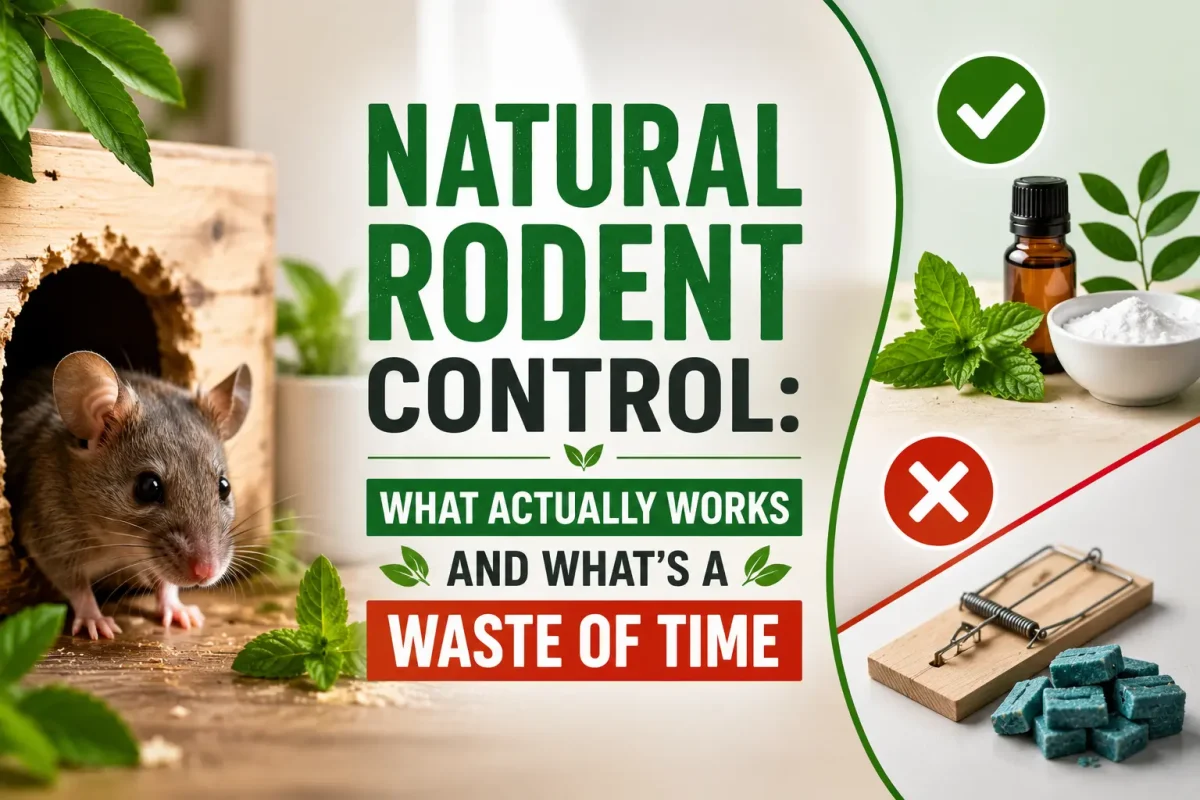
Many people search for natural rodent control because they want a safer and prevention-focused way to keep rats away without depending only on harsh chemical solutions. But here is the truth: not every natural method works well.
Some methods are genuinely useful. Some work only for a short time. Some are almost a waste of time if you use them alone.
For example, peppermint oil may smell strong, but it will not solve the problem if rodents still have open food, water, wall gaps, and nesting areas. The real solution is not one trick. It is a complete system.
In this guide, you will learn what actually works, what does not work well, and how to build a smarter rodent prevention plan for your home or business.
What Is Natural Rodent Control?
Natural rodent control means using safer, practical, and prevention-based methods to reduce rodent activity. Instead of only using poison or strong chemicals, this approach focuses on removing the things that attract rodents.
Rodents usually enter a property because they find three things:
- Food
- Water
- Shelter
When these are available, rats and mice may keep coming back. So the goal of natural rodent pest control is simple: make your property harder to enter, harder to hide in, and harder to survive in.
Why Natural Rodent Control Methods Often Fail
Many people make one common mistake. They try only one method and expect fast results.
They may use peppermint oil, buy an ultrasonic device, or place a few traps. But they do not seal holes, clean storage areas, cover garbage, or remove food sources.
That is why the problem returns.
Rodents are smart. If one area smells bad to them, they may move to another corner. If food is still available, they will keep searching. If holes remain open, they will keep entering.
Natural rodent control works best when several methods are used together.
What Actually Works for Natural Rodent Control?
The methods below are practical and useful. They work best when combined as part of a full prevention plan.
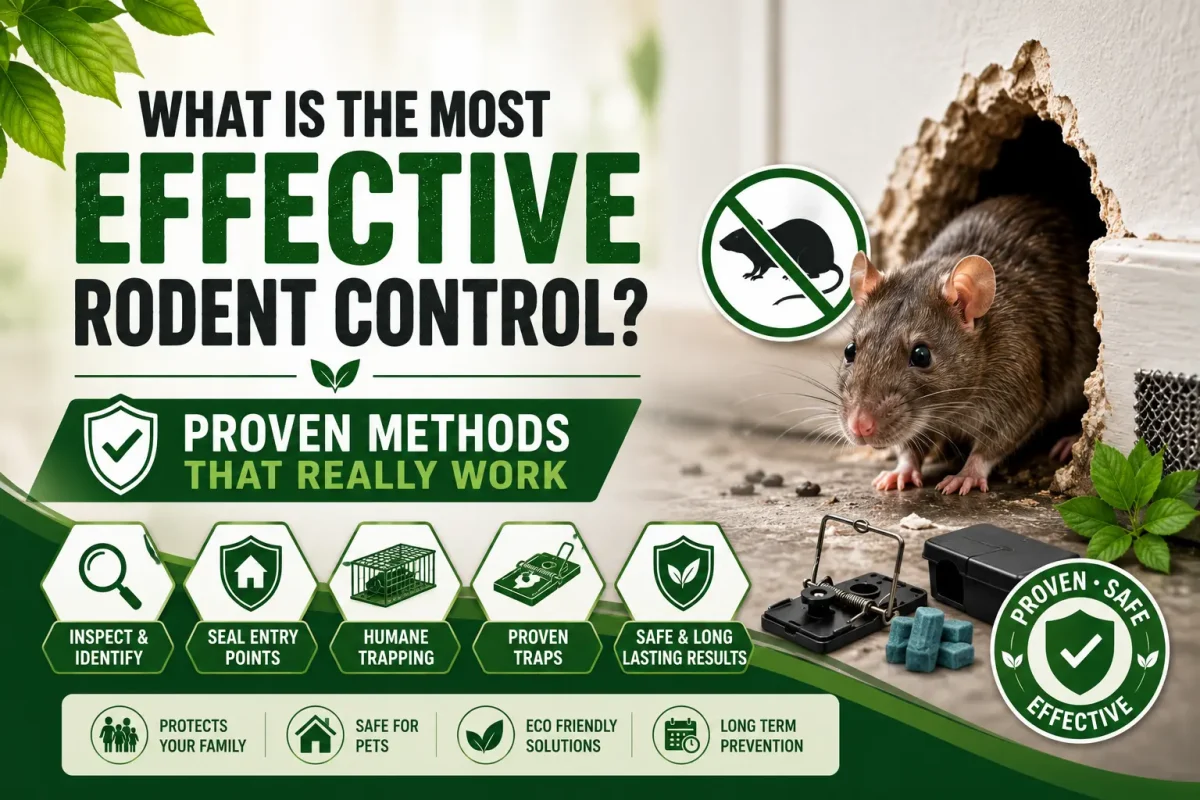
1. Seal Entry Points First
Sealing entry points is one of the most effective rodent control methods. If rats and mice can enter easily, other steps will only give short-term results.
Check these areas carefully:
- Gaps under doors
- Cracks in walls
- Holes near pipes
- Broken vents
- Drain openings
- Roof gaps
- Window corners
- Garage spaces
- Kitchen and bathroom pipe areas
Rodents can enter through very small openings. So even tiny gaps should not be ignored.
Use strong sealing materials and repair damaged areas properly. For larger gaps or structural damage, professional repair may be needed.
Why This Works
It blocks the main access route. When rodents cannot enter, your home becomes much harder for them to invade.
What Is a Waste of Time?
Using only scent repellents while leaving holes open is mostly a waste of time. Rodents may avoid one corner but still enter through another gap.
2. Store Food in Airtight Containers
Food is the biggest reason rodents enter homes and businesses. Open rice bags, snack packets, grains, pet food, fruits, and leftover meals can attract them quickly.
Store food in airtight containers. Do not leave food open overnight. Clean kitchen counters after cooking. Keep pet food sealed when not in use.
For restaurants, grocery shops, and storage spaces, food control is even more important. Small spills can attract rodents if they are ignored.
Why This Works
When food is hard to access, rodents lose one of their main reasons to stay.
What Is a Waste of Time?
Cleaning the floor but keeping food open in cabinets or storage rooms will not solve the problem.
3. Keep Garbage Covered and Clean
Garbage is another major rodent attraction. Food waste, open bins, and dirty trash areas can bring rats close to your property.
Use bins with tight lids. Empty garbage regularly. Wash bins when they smell bad. Never leave food waste outside overnight in open bags.
Apartment buildings and commercial spaces should pay extra attention to waste areas. Rodents often move from garbage points into kitchens, parking areas, storage rooms, and lower floors.
Why This Works
Proper waste control removes an easy food source and reduces rodent activity near your property.
What Is a Waste of Time?
Spraying natural scents near a dirty garbage area will not help much unless the waste problem is fixed first.
4. Remove Clutter and Hiding Places
Rodents love dark, quiet, and messy places. Old boxes, paper piles, unused furniture, fabric, storage corners, and outdoor junk can become nesting spots.
Keep storage areas organized. Use plastic containers instead of cardboard boxes when possible. Avoid stacking items directly against walls. Keep corners visible so you can inspect them easily.
Outdoor clutter also matters. Wood piles, garden waste, unused materials, and covered spaces can give rodents a safe place to hide.
Why This Works
Less clutter means fewer hiding places. It also makes rodent activity easier to notice early.
What Is a Waste of Time?
Using traps or smells while keeping a messy storage room gives rodents too many places to hide.
5. Use Natural Scent Deterrents as Support
Peppermint oil, cloves, bay leaves, and eucalyptus are commonly used as natural scent deterrents. These smells may make some areas less comfortable for rodents.
You can place scented cotton balls near cabinets, corners, entry points, or storage areas. But these scents fade over time, so they need regular refreshing.
Why This Works
Strong scents may discourage rodents from staying in certain spots for a short time.
What Is a Waste of Time?
Thinking peppermint oil alone will remove a rodent problem is a mistake. Scent deterrents are supporting tools, not complete solutions.
6. Fix Water Leaks and Damp Areas
Rodents need water to survive. Leaking pipes, dripping taps, wet floors, and standing water can support rodent activity.
Check under sinks, bathrooms, kitchens, roof corners, outdoor taps, and drain areas. Fix leaks quickly. Keep floors dry where possible.
Why This Works
Removing water makes your property less comfortable for rodents.
What Is a Waste of Time?
Only removing food while ignoring water leaks may still allow rodents to survive nearby.
7. Keep Outdoor Areas Clean
Rodent problems often begin outside before they move indoors. Overgrown grass, fallen fruits, thick bushes, food waste, and messy outdoor storage can attract them.
Trim plants near walls. Remove fallen fruits. Keep drains clear. Avoid leaving pet food outside. Cut branches that touch your roof, balcony, or windows.
Why This Works
Outdoor cleaning reduces feeding and hiding areas close to your property.
What Is a Waste of Time?
Cleaning indoors while ignoring outdoor hiding places can allow rodents to return again and again.
8. Monitor Rodent Activity Regularly
Monitoring helps you understand whether the problem is improving or getting worse.
Look for signs such as:
- Droppings
- Bite marks
- Scratching sounds
- Damaged packets
- Grease marks on walls
- Bad smell
- Nesting materials
Check kitchens, storage rooms, ceiling spaces, garages, drains, and outdoor walls.
Why This Works
Early detection helps stop a small issue before it becomes a bigger infestation.
What Is a Waste of Time?
Waiting until you see rats during the day can be risky. Daytime activity may mean the problem has already grown.
9. Get Professional Help When the Problem Is Serious
Natural methods can help with prevention and early-stage activity. But serious infestations need professional inspection.
If you notice repeated droppings, regular scratching sounds, damaged wires, strong smells, or rodents during the day, expert support may be needed.
If you want professional rodent control without hassle, contact Eco Shield Pest Control Bangladesh for rodent inspection, entry-point detection, and prevention-focused treatment for your home or business.
Natural Rodent Control Methods That Are Often a Waste of Time
Some methods are popular, but they do not work well when used alone.
Peppermint Oil Only
Peppermint oil may help as a temporary scent deterrent. But it does not block entry points, remove food, clean nesting areas, or stop rodents from returning.
Ultrasonic Repellers Only
Ultrasonic devices may help in some spaces, but results can vary. Rodents may avoid one area for a short time and then move somewhere else.
Random Traps Without Prevention
Traps may catch a few rodents, but they do not fix the root cause. If food, water, and entry points remain, new rodents may come back.
Cleaning Once and Stopping
One-time cleaning is not enough. Rodent control needs regular habits. Food storage, garbage control, clutter removal, and inspection should continue.
Best Natural Rodent Control Plan for Homes
For homes, start with your kitchen, bathroom, balcony, storage room, and door gaps. These are common activity areas.
First, seal entry points. Then store all food properly. Next, cover garbage and remove clutter. After that, check outdoor areas and fix leaks.
You can use natural scent deterrents as a supporting step, but do not depend on them alone.
A simple home plan should focus on four things:
- Seal
- Clean
- Store
- Monitor
When these steps become regular habits, rodents have fewer reasons to enter your home.
Best Natural Rodent Control Plan for Businesses
Businesses need stronger prevention because rodents can damage reputation, hygiene, and customer trust.
Restaurants, grocery shops, warehouses, offices, and food storage spaces should follow a daily cleaning routine. Food waste should be removed quickly. Back doors, drains, storage rooms, ceiling spaces, and garbage zones should be checked often.
For commercial properties, regular inspection is better than waiting for visible rodent signs. Eco Shield Pest Control Bangladesh can support businesses with inspection and prevention planning when rodent activity becomes difficult to manage.
Final Thoughts
Natural rodent control works when it focuses on the real cause of the problem. The most effective methods are sealing entry points, storing food properly, covering garbage, removing clutter, fixing leaks, cleaning outdoor areas, and monitoring activity.
What wastes time? Depending on one method only.
Peppermint oil, bay leaves, natural sprays, or ultrasonic devices may help a little, but they cannot replace proper prevention. Rodents stay where they find food, water, shelter, and access.
Remove those things, and your property becomes much harder for them to invade.
Start with the basics today: seal, clean, store, remove clutter, and inspect regularly. That is the smartest way to keep rats and mice away naturally.
Frequently Asked Questions
1. What is natural rodent control?
Natural rodent control means using prevention-focused methods like sealing entry points, storing food safely, cleaning waste, removing clutter, and using natural deterrents.
2. What natural rodent control method works best?
Sealing entry points and removing food sources work best. These methods deal with the main reasons rodents enter and stay.
3. Does peppermint oil really keep rats away?
Peppermint oil may help as a scent deterrent, but it should not be used alone. It works better with sealing, cleaning, and food control.
4. What attracts rodents to a home?
Rodents are attracted to open food, garbage, water leaks, clutter, wall gaps, drains, and quiet hiding places.
5. Are natural rodent pest control methods safe?
Many natural methods are safer than chemical-heavy options, but they should still be used carefully around children, pets, and food areas.
6. Why do rats keep coming back?
Rats come back when food, water, shelter, or entry points are still available. Long-term control needs a complete prevention plan.
7. Can cleaning alone remove rodents?
Cleaning helps, but it may not be enough. You also need to seal entry points, remove hiding places, control food, and monitor activity.
8. Are ultrasonic rodent repellers enough?
Ultrasonic repellers may help in some cases, but they should not be used as the only method. Prevention is more important.
9. When should I call a pest control professional?
Call a professional if you see repeated droppings, hear regular scratching sounds, notice wire damage, smell strong odor, or see rodents during the day.
10. What is the best long-term rodent control method?
The best long-term method is a complete plan: seal entry points, control food, manage garbage, remove clutter, fix leaks, and inspect regularly.